Crafting Sound That Sells: The Art of Advertising Audio Production
I remember sitting in a dimly lit control room in Los Angeles, watching a mix engineer nudge a single kick-drum hit by three milliseconds. The client, a brand manager for a major car company, had flown in from Detroit and was leaning forward, eyes closed, trying to decide whether the thump felt "confident" or just "loud." That moment captured something I have seen repeated a thousand times in my career: advertising audio production is not about making noise. It is about making a promise that lands in a listener's gut before they even know they heard it.
Sound in advertising does not get the same press as visual branding, but it may work harder. A thirty-second commercial spot passes through a viewer's ears in a blur of syllables and a pulse of music, but it can imprint a feeling that lasts years. The craft behind that effect is subtle, painstaking, and deeply collaborative. It involves voiceover artists, sound designers, composers, and mix engineers all working toward a single emotional target. And the tools they use have changed radically in the past decade.
The Vanishing Wires and the Rise of Remote Recording
Fifteen years ago, if you needed an A-list actor to record a voiceover for a national spot, you booked a studio in New York or Los Angeles, prayed the ISDN line held, and crossed your fingers that the actor showed up on time. The ISDN codec compressed the audio in ways that made engineers wince, but it was the only way to get a clean signal across the country in real time. Today, Source-Connect Now has replaced most of those copper lines. It runs over a standard internet connection, delivers broadcast-quality audio, and costs a fraction of what ISDN did.
I have directed sessions where the talent sat in a booth in London, the director listened from a mix stage in Santa Monica, and the client watched from a conference room in Chicago. Everyone heard the same take at the same moment, with latency low enough that the actor could react to a live cue. That kind of remote workflow has become standard across advertising audio production, and it has opened the door to casting choices that would have been impractical a decade ago. You no longer need to limit your voice casting to actors who live within driving distance of a major recording hub. You can audition and direct anyone with a good microphone and a quiet room, which means the voice you hear on a national spot might come from a theatre actor in Minneapolis or a retired announcer in Austin.
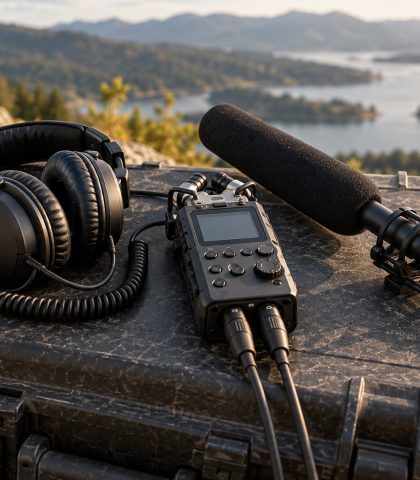
But convenience comes with trade-offs. The absence of a physical studio changes the dynamic. When an actor stands in a room alone, without an engineer or director on the other side of the glass, the performance can lose some of its edge. The director's job becomes more about verbal precision and less about instinctive gestures through the talkback. I have found that the best remote sessions happen when the director and talent build a rhythm early, with clear direction and quick, honest feedback. The technology is a tool, not a replacement for human rapport.
Sound Design and the Unseen Narrative
If voiceover carries the message, sound design carries the mood. A commercial for a luxury watch does not need a ticking sound, but it might use a low, resonant hum that suggests precision. A fast-food spot might layer the crinkle of a wrapper with a sizzle that sounds almost wet, because the brain reads moisture as freshness. These choices are not random. They come from a sound designer who understands the product's psychology and knows how to manipulate the Audiosphere of a thirty-second window.
In my experience, the most effective advertising audio production happens when the sound design team works alongside the composer from the first day of post. Too often, the music track gets locked before anyone thinks about sound effects, and then the designer has to fit elements around a rigid tempo. The better approach is to let the music and the sound design breathe together. A Foley artist walking across a hardwood floor for a shoe commercial might record a dozen different footstep textures, each with a different shoe on a different surface, and then the mixer chooses the one that matches the music's groove. That kind of integration is rare outside of high-end work, but it is what separates a good spot from a great one.
Voice Casting and the SAG-AFTRA Reality
Voice casting in advertising has become more strategic over the past few years. Brands no longer just want a warm voice or a confident announcer. They want a voice that embodies a specific demographic, a regional accent, or a cultural touchpoint. I have sat in casting sessions where the creative team listened to forty takes of the same line, each from a different actor, and the decision came down to whether the voice sounded "aspirational" or "relatable." That is a subjective call, but it has real consequences for the brand's identity.
Working within SAG-AFTRA guidelines adds another layer. Session fees, residuals, and usage terms all affect how long a spot can run and on which platforms. A voiceover recorded for a single YouTube pre-roll might have different terms than one destined for a Netflix ad break. The producer's job is to negotiate those details before the talent steps into the booth, because nothing kills a relationship faster than a billing dispute after the spot airs. Experienced advertising audio production teams handle these conversations early, so the creative work does not get derailed by paperwork.

From Mix Stage to the Listener's Ear
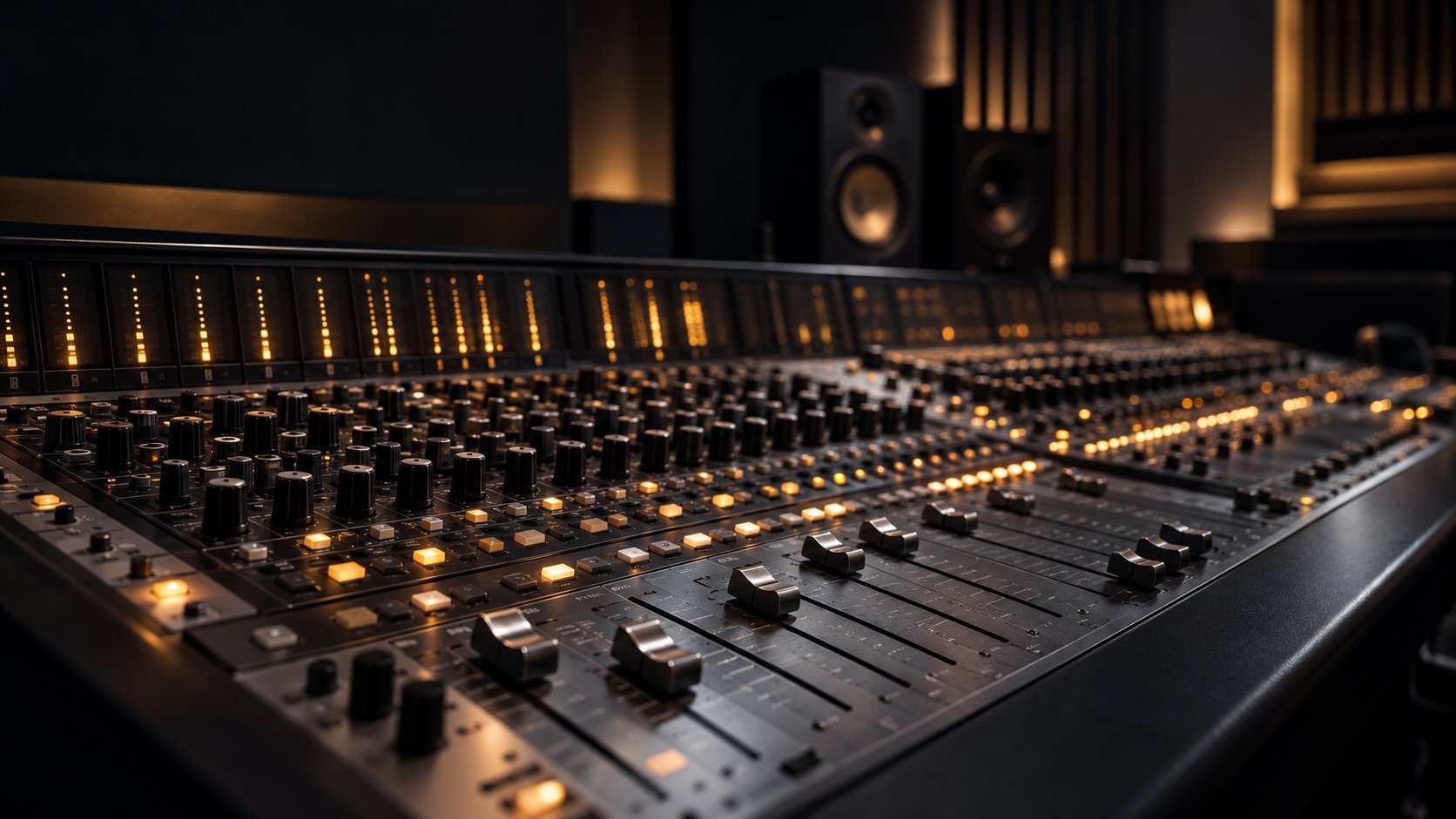
The final stage of any commercial spot is the mix. The mix stage is where everything comes together: the voiceover, the music, the sound design, any Foley or ADR that was recorded separately. The mixer balances levels, applies equalisation, and uses compression to make sure the spot sounds consistent across every playback device, from a cinema speaker to a phone speaker. That is harder than it sounds. A mix that sounds punchy in a treated control room can turn muddy on a laptop, and a mix that sounds clear on headphones can feel thin in a car.
I have seen mixers spend an hour adjusting a single vocal phrase to sit just above the music without distorting. They will solo the track, listen to the phase relationship between the voice and the room tone, and then bring the music back in at a level that feels natural. Pro Tools is the standard workstation for this work, and most mixers have their own templates and plugin chains that they have refined over years. But the tool does not do the thinking. The mixer's ear, trained on hundreds of previous spots, makes the call.
One trend I have noticed is the growing demand for sonic branding. Brands want a sound that works across every touchpoint: the earcon at the end of a commercial, the hold music on a customer service line, the intro to a podcast sponsorship. That kind of consistency requires a different approach to advertising audio production, one where the same sonic identity gets adapted to different lengths, contexts, and emotional tones. It is harder than writing a single jingle, but it builds recognition faster.
Spotify and YouTube have changed the distribution landscape as well. A spot that runs on linear television might play in a predictable sequence of breaks, but a podcast ad on Spotify can appear at any moment in a listener's day, often when they are wearing headphones. That intimacy changes the mix. The voice needs to feel closer, the music quieter, the sound design more detailed. Mixers now create separate versions of the same spot for different platforms, adjusting the dynamic range and the stereo image to suit the listening environment. It is more work, but it is the only way to ensure the message lands the same way everywhere.
The Human Element in a Digital Workflow
For all the advances in technology, the core of advertising audio production remains human. The voice artist's breath, the director's timing, the mixer's instinct - none of those can be automated. I have worked on spots where the entire creative concept changed after the voiceover session, because the actor's delivery revealed a subtext that the script never intended. That is the magic of collaboration. You plan, you prepare, and then you leave room for the unexpected.
The best advice I ever received came from a veteran mix engineer in Los Angeles. He said, "Listen to the quiet parts." He meant that the silence between words, the space after a sound effect, the moment before the music swells - those gaps carry as much meaning as the sound itself. In advertising audio production, the goal is not to fill every millisecond with noise. It is to use sound so precisely that the listener never notices the craft. They only feel the result.